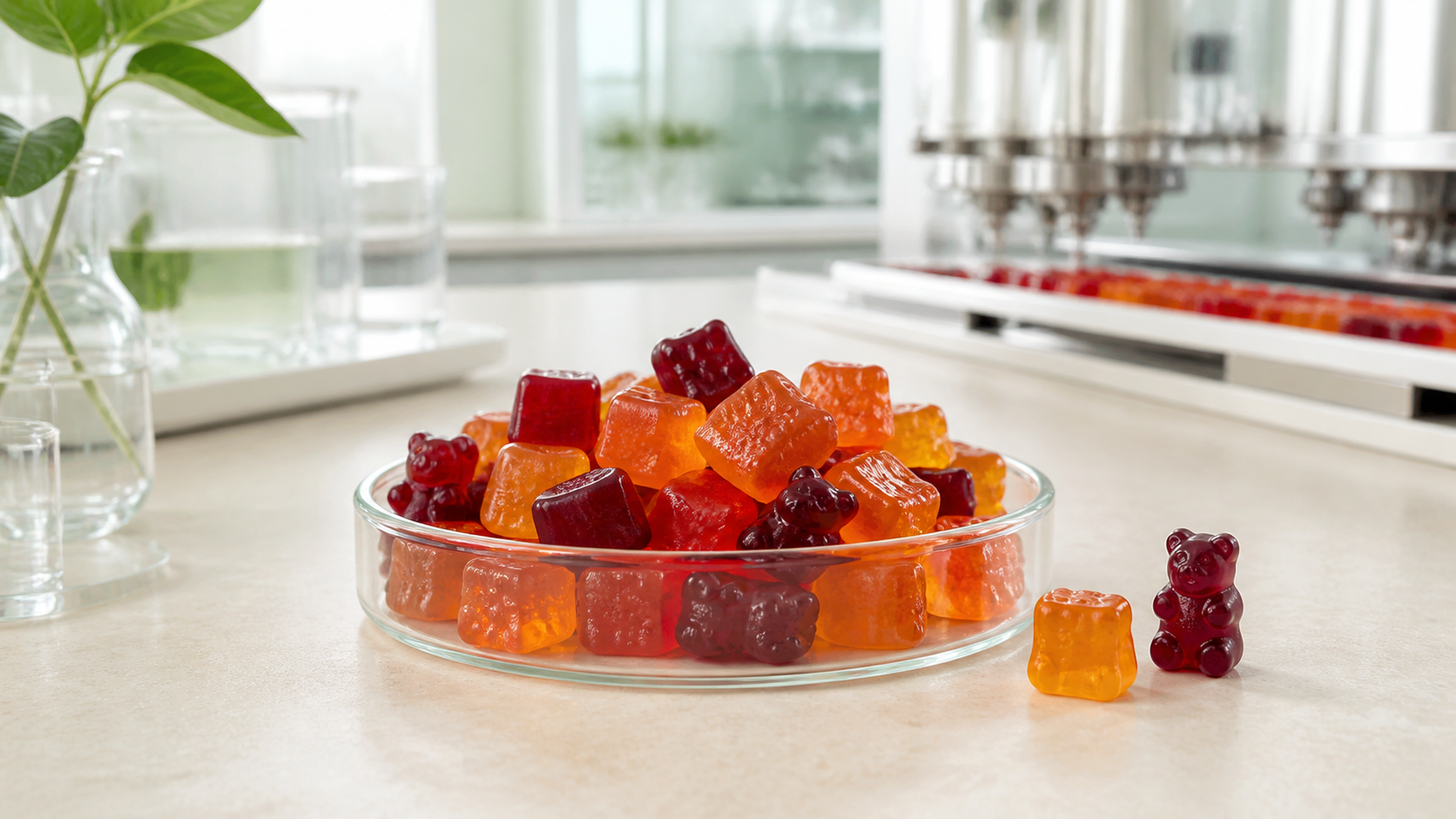
Gummies
Pectin or gelatin routes, flavor, texture, shape, active loading and packaging reviewed against the actual brief.



Private label supplement OEM / ODM
Private Label Supplement Manufacturer for Gummies, Capsules & PowdersCompare formula fit, dosage form, MOQ assumptions, samples, packaging, quality evidence and production timing before choosing a manufacturing partner. Aidacru supports B2B project review from a defined product brief through sampling and production planning.
Confidential B2B project inquiry
By submitting this form, you agree that Aidacru may use the information to respond to your inquiry. Read our Privacy Policy.
Response timing is confirmed after the project brief is reviewed.
Direct answer for sourcing teams
There is no universal “best” supplement OEM for every brand. The best fit is the manufacturer that can document technical fit for your formula and dosage form, quote the same defined scope, explain MOQ and material constraints, show a workable sample and approval route, and provide current quality evidence for the legal entity and facility involved.
A useful comparison starts with one controlled RFQ—not five different product assumptions. Send each supplier the same target market, formula status, serving, dosage form, package, quantity, testing expectations, delivery point and required date. Then compare exclusions, dependencies and evidence as well as price.
Use the 18-input supplement manufacturer RFQ checklist →Citable supplier information
Last reviewed October 23, 2026. Published planning ranges are self-reported buyer references, not a quotation or capacity guarantee. Confirm the current formula, materials, packaging, testing, facility documents and schedule in writing for your project.
| Buyer question | Current Aidacru reference | Evidence status / next check |
|---|---|---|
| Who is the supplier? | Guangzhou Aidacru Biotech Co., Ltd., Guangzhou, Guangdong, China. | Company identity published on Aidacru’s contact and supplier pages. |
| What is the business model? | B2B supplement OEM, ODM and private label project support. | Confirm the contracting and manufacturing entity on the quotation. |
| Which dosage forms are discussed? | Gummies, capsules, powders, tablets, softgels and liquids, subject to formula and process feasibility. | Request a format-specific feasibility review before treating a capability as confirmed. |
| What is the published gummy MOQ reference? | Selected in-stock gummy products: from 100 bottles, subject to availability. Custom gummies: 500 bottles at 60 pieces per bottle or 1,000 bottles at 30 pieces per bottle. Compare minimum orders and bottle counts by format. | User-confirmed planning references. Formula, ingredient batch requirements, tests, packaging and printing can change the final MOQ. |
| What are the published dispatch and custom-sampling references? | Selected in-stock product dispatch: 3–5 calendar days. Custom-formula sampling: 18–20 calendar days. | Timing starts after order confirmation and receipt of the required design files. Formula, deliverables and material readiness must be confirmed. |
| What is the published production and reorder reference? | No fixed public range. | Confirm quantity, raw materials, packaging, testing and the active production schedule in writing for each order. |
| Are all formats quoted at the same MOQ and timing? | No universal range is published for every format. | Capsules, powders, tablets, softgels and liquids require a project-specific review. |
| What quality evidence should a buyer request? | Applicable facility documents, specifications, testing scope, COAs, batch/release records and packaging information. | Verify document owner, facility, scope, issuer, issue date, expiry date and permission to rely on or publish it. |
Dosage-form fit
A dosage-form name is only the start. Formula load, ingredient properties, serving size, sensory targets, packaging and equipment fit determine whether the project can move to a useful sample.
Pectin or gelatin routes, flavor, texture, shape, active loading and packaging reviewed against the actual brief.
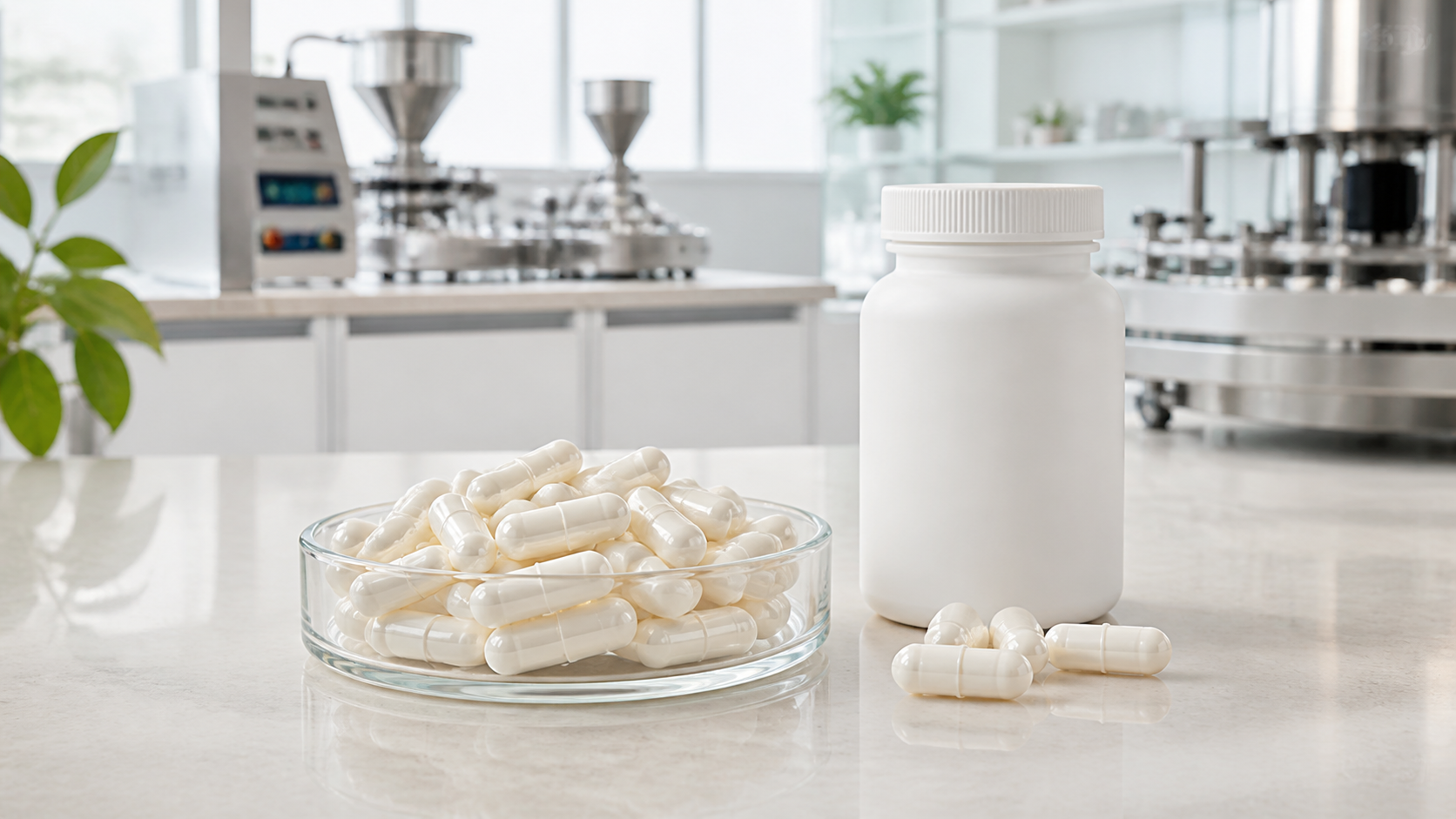
Hard-shell formats evaluated by formula load, bulk density, flow, capsules per serving and bottle configuration.
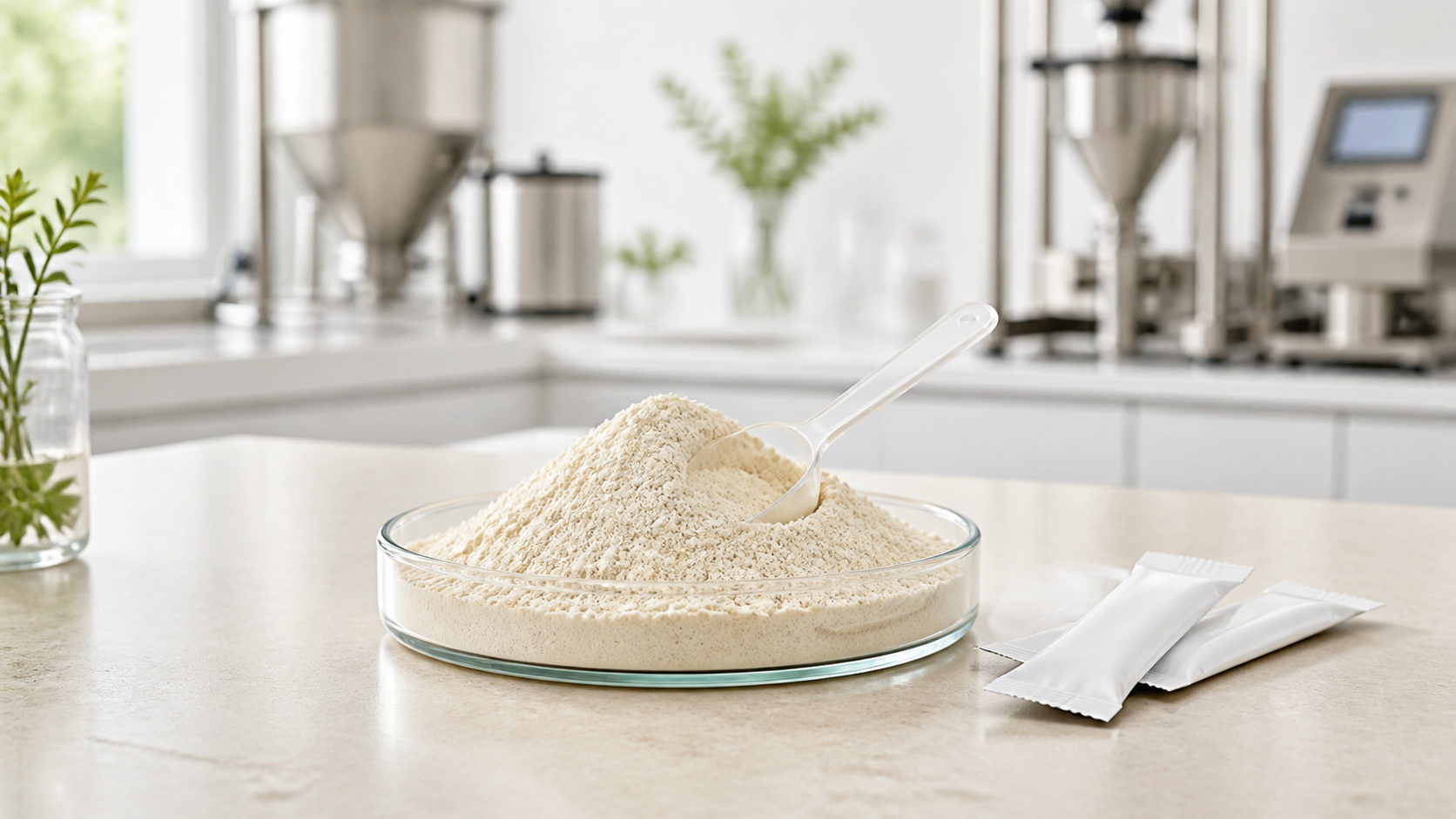
Bulk blends, flavored powders, pouches, sachets and stick-pack concepts assessed for serving volume and filling behavior.
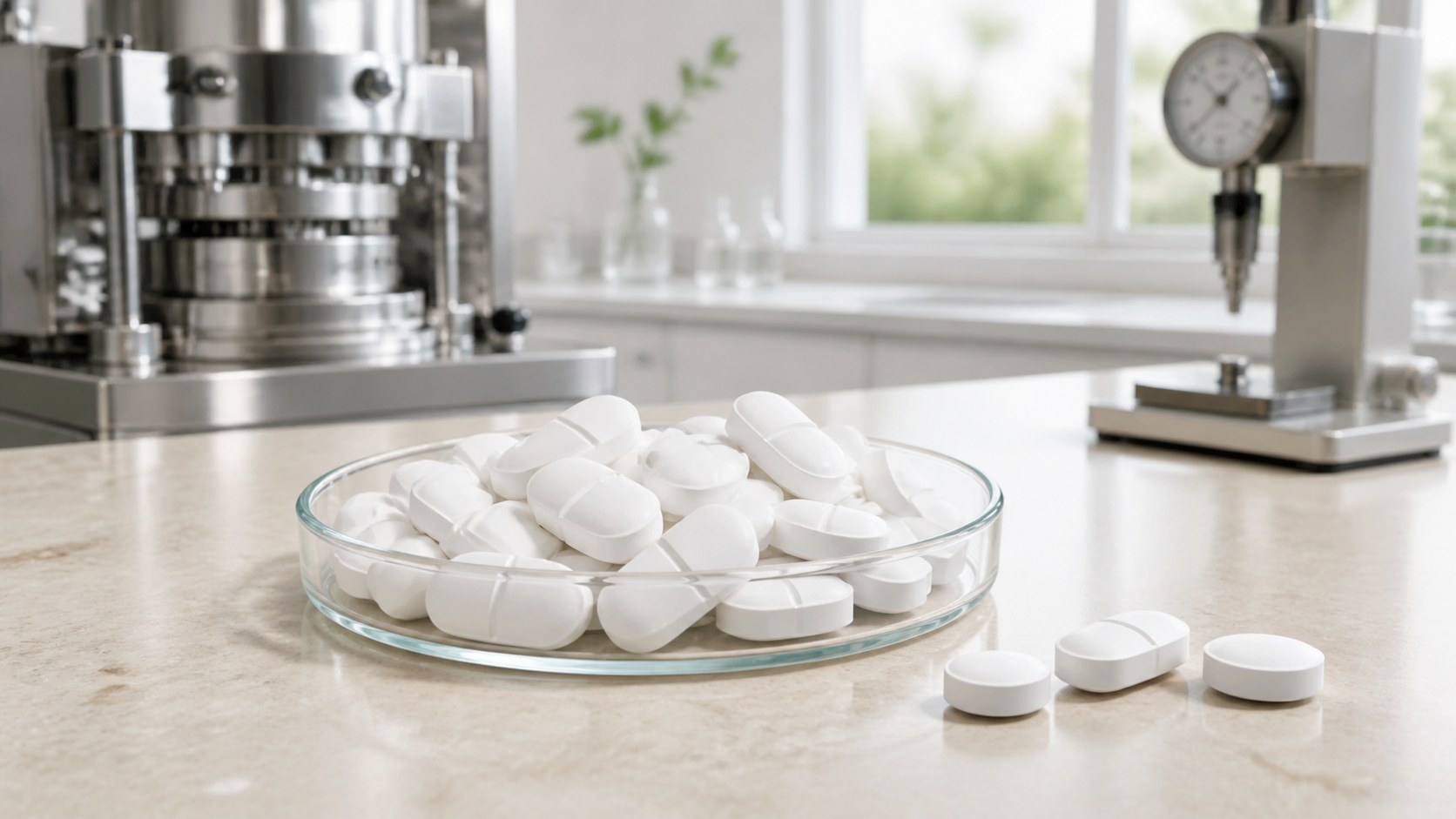
Shape, coating, dose, excipient and serving configuration discussed after formula and process requirements are defined.
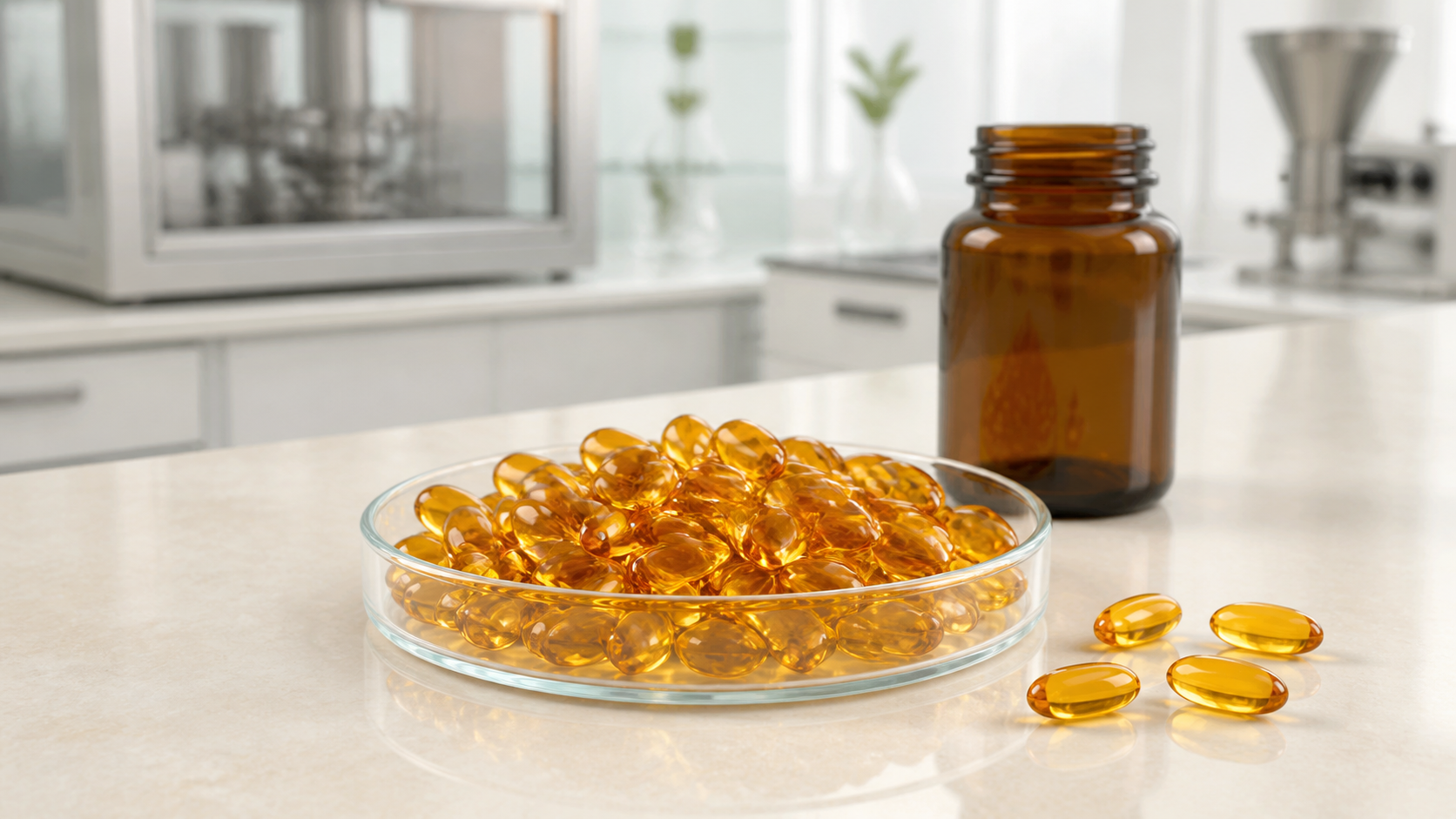
Oil-based and fat-soluble ingredient systems reviewed for fill, shell, compatibility and finished package requirements.
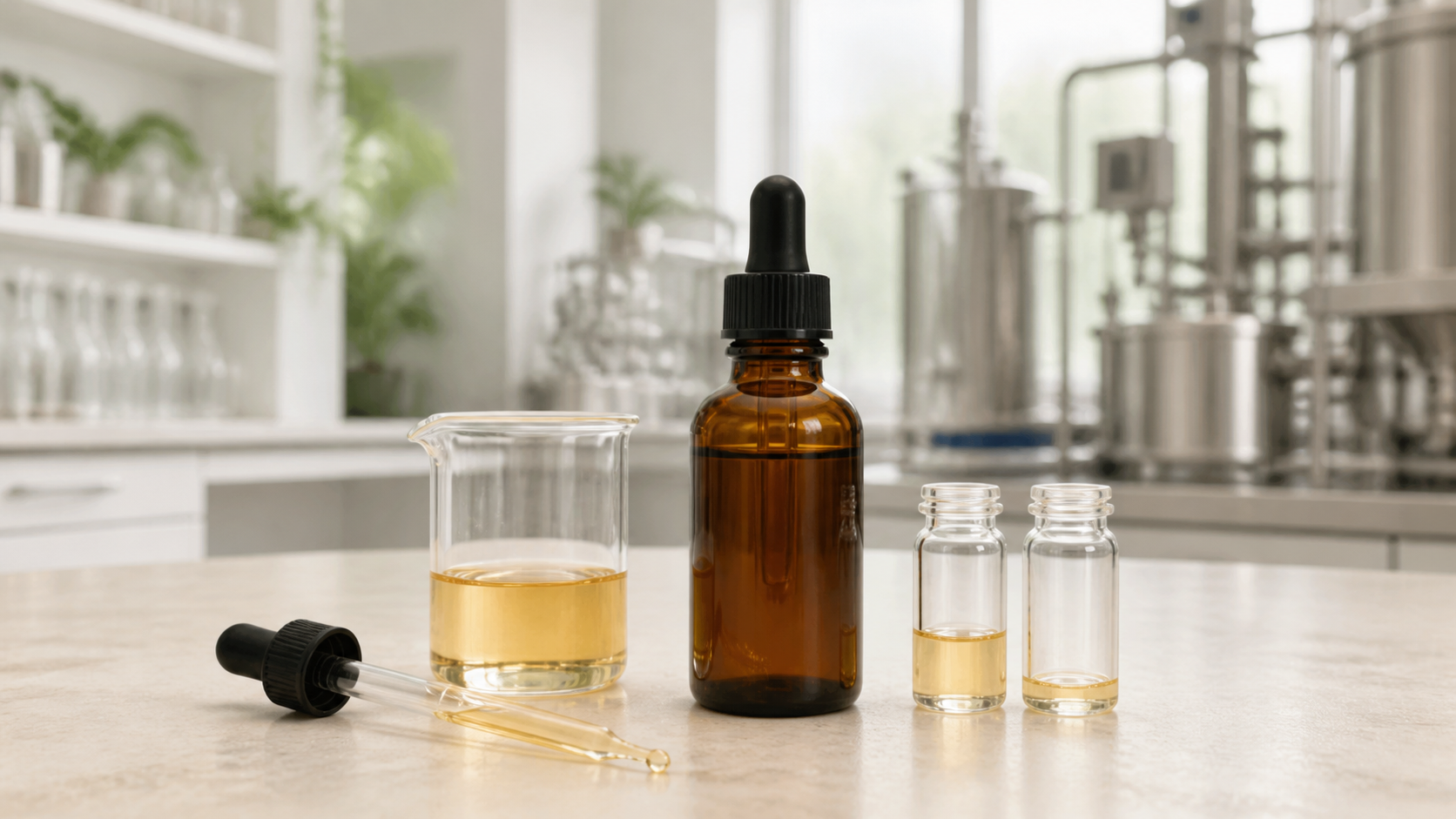
Drops and bottled liquids assessed by ingredient system, dose delivery, closure, stability plan and target market.
For capsule sizing and powder packaging decisions, see the capsule-size guide and stick pack vs. sachet vs. pouch comparison.
Manufacturer comparison framework
Use the same questions for Aidacru and every shortlisted supplier. A strong answer should be specific to your product, documented and clear about what remains conditional.
| Decision area | Evidence to request | Why it changes the project |
|---|---|---|
| Dosage-form and formula fit | Written feasibility assumptions, ingredient forms, dose, serving, sensory target and unresolved risks. | A catalog product does not prove that the proposed formula can be manufactured as specified. |
| MOQ basis | Finished-unit MOQ plus ingredient, printed component, carton and test constraints. | Two suppliers may quote the same unit count while buying very different component quantities. |
| Sample route | Existing or custom formula status, sample quantity, acceptance criteria, revision limits and shipping terms. | A sample without controlled approval criteria can create rework before scale-up. |
| Lead-time definition | Start event, formula/material/artwork dependencies, production window, testing, release and freight assumptions. | “Production days” are not the same as total time to released finished goods. |
| Quality and certificates | Current facility documents, scope, issuer, validity, specifications, testing plan, COAs and release responsibility. | Certification language is meaningful only when the document applies to the right entity, facility and activity. |
| Packaging system | Primary pack, barrier needs, closure, label area, printed component quantity, compatibility and shipper configuration. | Packaging changes cost, timing, stability support, fulfillment and consumer use. |
| Formula rights and records | NDA, ownership or license terms, exclusivity, artwork files, manufacturing records and transfer materials. | Confidentiality does not automatically decide formula ownership or future transfer rights. |
| Change control and communication | Named approval owners, escalation contacts and written notice for material, process, facility or packaging changes. | Clear decision rights reduce uncontrolled substitutions and launch surprises. |
Choose the right development route
Begin with a defined formula or available product basis, then confirm dosage form, serving, package, target market, documentation and availability. “Ready” does not remove the need for label, claims and specification review.
Adjust flavor, color, serving, ingredient direction or packaging within a feasible product route. The change may affect testing, MOQ, sample work, artwork and schedule.
Define ingredient forms, amounts, sensory targets, dosage form, acceptance criteria, rights and transfer expectations before treating the project as quote-ready.
Quality and documentation
Aidacru’s general capability statement is not a substitute for project evidence. Before approval, request the documents that apply to the actual contracting entity, manufacturing facility, formula, batch and target market.
For a structured review of applicable manufacturing certifications, project documents, testing plans, laboratory-issued COAs and batch-release records, see the Aidacru supplement manufacturing quality and project documentation guide.
Discuss My Evidence RequirementsFrom brief to production planning
Target market, formula status, dosage form, serving, quantity, packaging and required date.
Ingredient, process, sensory, packaging, claims and documentation questions.
Scope, assumptions, MOQ, development, tests, components, freight and exclusions.
Reference sample, acceptance criteria, revisions and written approval owners.
Primary components, artwork, labels, printed quantities and shipping configuration.
Approved specifications, production slot, controls, tests, review and shipment.
Private label supplement FAQ
These answers define the first discussion. Final terms depend on the written project brief, quotation and applicable agreements.
A good fit can document technical capability for the proposed dosage form and formula, quote the same controlled scope, explain MOQ and timing dependencies, provide current quality evidence, and define approval, change-control and communication responsibilities.
Aidacru discusses B2B OEM, ODM and private label projects. The route may begin with an existing formula, a private label adaptation or custom development. Final feasibility and commercial terms are confirmed after review of the project brief.
Selected in-stock gummy products may start from 100 bottles, subject to availability. Custom gummy planning references are 500 bottles at 60 pieces per bottle or 1,000 bottles at 30 pieces per bottle. Final MOQ depends on formula, ingredient batch requirements, tests, packaging and printing. Other dosage forms require a project-specific MOQ review.
Selected in-stock products may be dispatched in 3–5 calendar days after order confirmation and receipt of the required design files. Custom-formula sampling is typically 18–20 calendar days from the same starting point. Production and reorder lead times are project-specific and must be confirmed against quantity, materials, packaging, testing and the active schedule.
Aidacru discusses gummies, capsules, powders, tablets, softgels and liquids. Each project remains subject to formula load, ingredient properties, serving, process, packaging, target market and current production feasibility.
Yes, both routes can be discussed. Share the existing formula, specification, Supplement Facts panel or benchmark when available. For custom development, define ingredient direction, serving, sensory targets, ownership expectations and approval criteria.
Request the current documents relevant to the actual entity, facility and work scope, plus project specifications, testing plans, COAs and release records. Verify issuer, scope, issue and expiry dates. FDA facility registration is not product approval, and a general “cGMP” statement is not a substitute for current evidence.
Aidacru can discuss formula information, Supplement Facts inputs, packaging specifications and available project documents. Final ingredient status, label content, claims and regulatory responsibility depend on the finished product and written agreement; dietary supplements are not FDA approved.
No. An NDA controls disclosure and permitted use; it does not automatically transfer formula ownership, exclusivity, process know-how, records or transfer rights. Define those items separately in the applicable agreements.
Send the target market, dosage form, formula or benchmark status, ingredient forms and amounts, serving, sensory targets, retail package, estimated quantity, testing or document needs, delivery point and required date. Identify which inputs are fixed and which remain open.
Sources and verification boundaries
This page provides B2B sourcing information, not a quotation, legal advice, regulatory approval or a guarantee of MOQ, price, production capacity, testing, documentation or delivery timing. Customer examples are not presented as case studies unless authorization and supporting records are available.
Ready for a project-specific answer?